Tuberose is obtained by solvent extraction, using the flowers.
Is Tuberose a top, heart, or base note?+
Tuberose is most often used as a heart note. Across 4,790 fragrances on Noteboxd it is listed as a top note in 415, a heart note in 4,213, and a base note in 162.
What are the most popular fragrances with Tuberose?
+
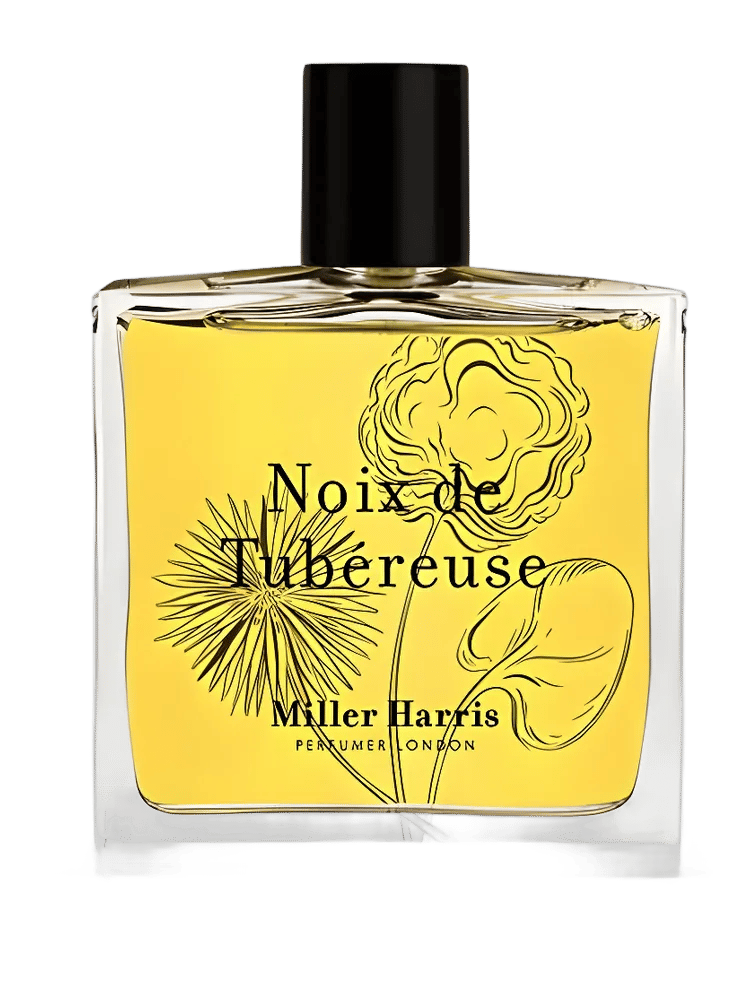
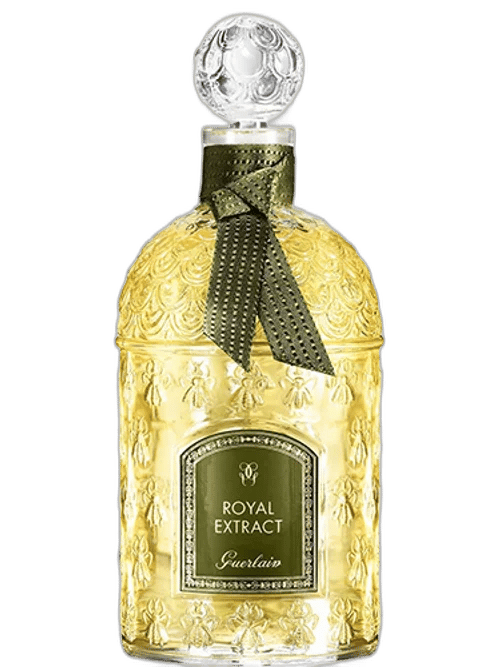
Popular fragrances featuring Tuberose include Wind Flowers by Creed, New Look 1947 by Dior, Crystal Noir by Versace, Do Son by Diptyque, ranked by community score on Noteboxd.
How many fragrances contain Tuberose?+
Tuberose is featured in 7,157 fragrances on Noteboxd.
Heady, intense, and allegedly seductive: tuberose is used in fine perfumery to add a bewitchingly suave note to accords. Its facets are quite the olfactory smorgasbord, with scents of honey and jasmine to facets reminiscent of sweet fruit. Erotic, animalic facets intermingle in a carnal note of sweet excess.
Tuberose has been cultivated in Grasse since the 17th century, where its lavish scent was extracted using the enfleurage technique. However, the flower’s true history far precedes its centuries of cultivation in Grasse. In fact, the Aztecs are even thought to have perfumed their chocolate using the dainty flower. In Victorian times, tuberose was thought to symbolize all things sensual and decidedly scandalous—a scent known for its aphrodisiac powers. Young women were warned of the power the flower possesses, and advised against breathing its intoxicating scent after dark.
A sun-loving flower, the tuberose is native to Mexico and India. It is an herbaceous plant grown from bulbs, with high floral stems and flowers that grow in fragrant 6-petal clusters. Today, tuberose flowers are mostly grown in India, Egypt, on the Comoro Islands, Morocco, and—to a lesser extent—France. Tuberose begins to bloom at the end of spring and reaches its peak in early August. The corollas are harvested every morning—just as they open. Their scent is gathered through extraction using volatile solvents.