Osmanthus is a narural raw material floral perfume note. It is sourced from People's Republic of China.
What does Osmanthus smell like?+
Floral and exotic, fruity accents of apricot and leather, sexy, bold, provocative.
How is Osmanthus obtained?+
Osmanthus is obtained by solvent extraction, using the flowers.
Is Osmanthus a top, heart, or base note?+
Osmanthus is most often used as a heart note. Across 2,213 fragrances on Noteboxd it is listed as a top note in 469, a heart note in 1,591, and a base note in 153.
What are the most popular fragrances with Osmanthus?
+
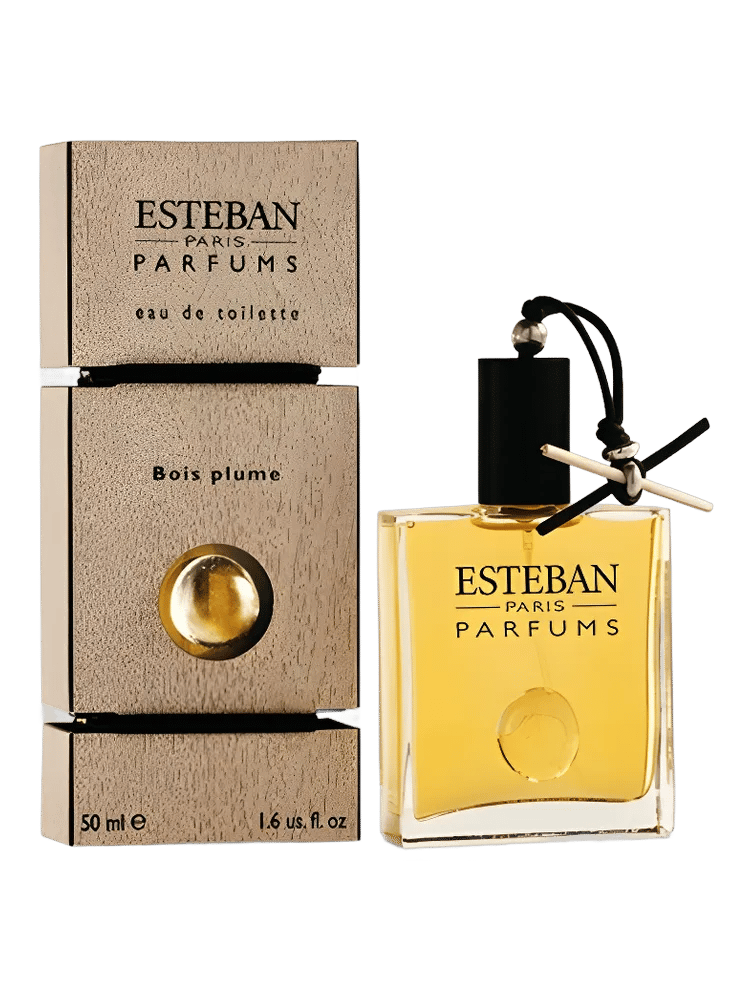
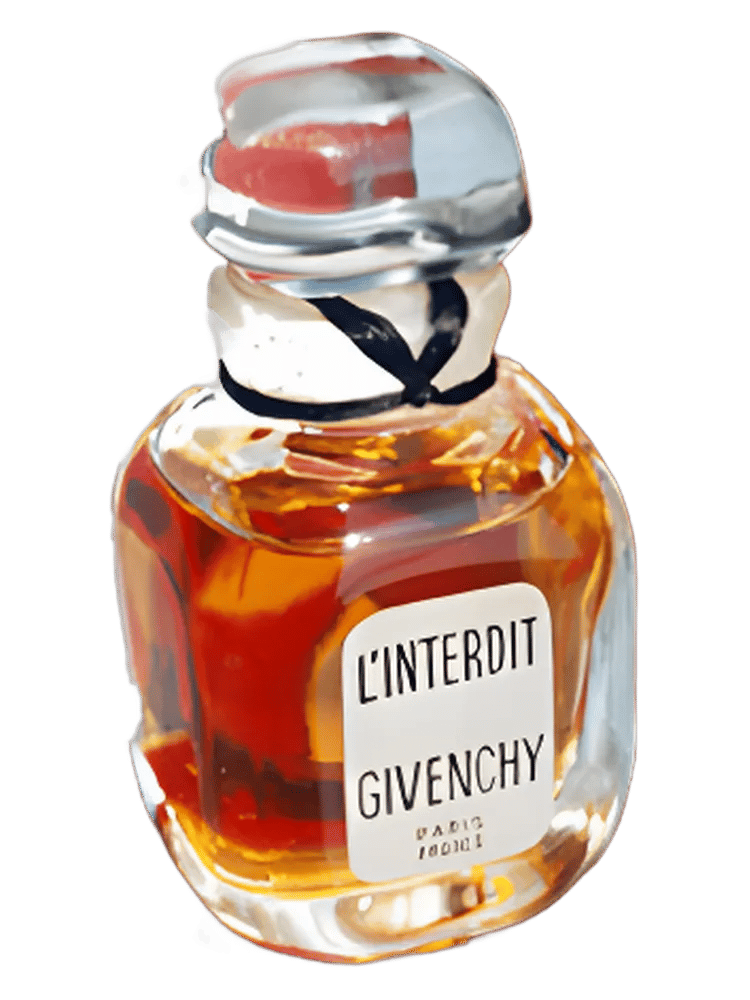
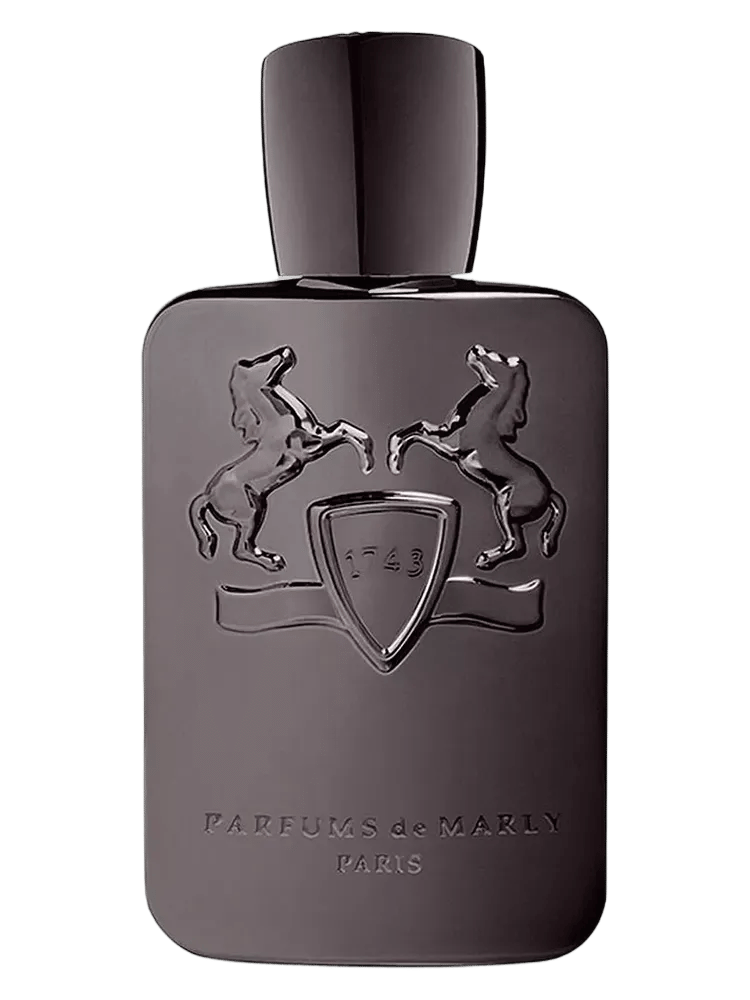
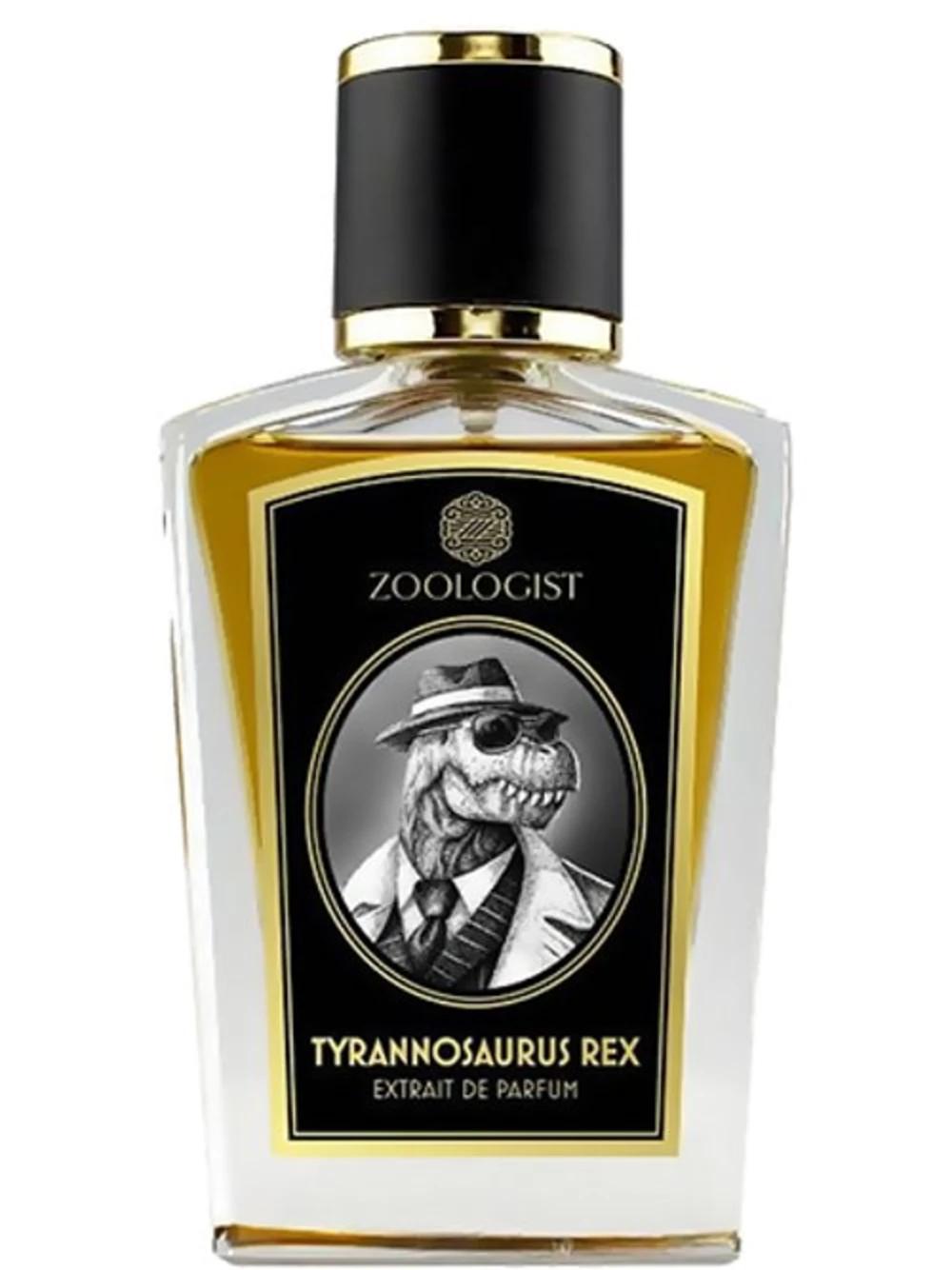
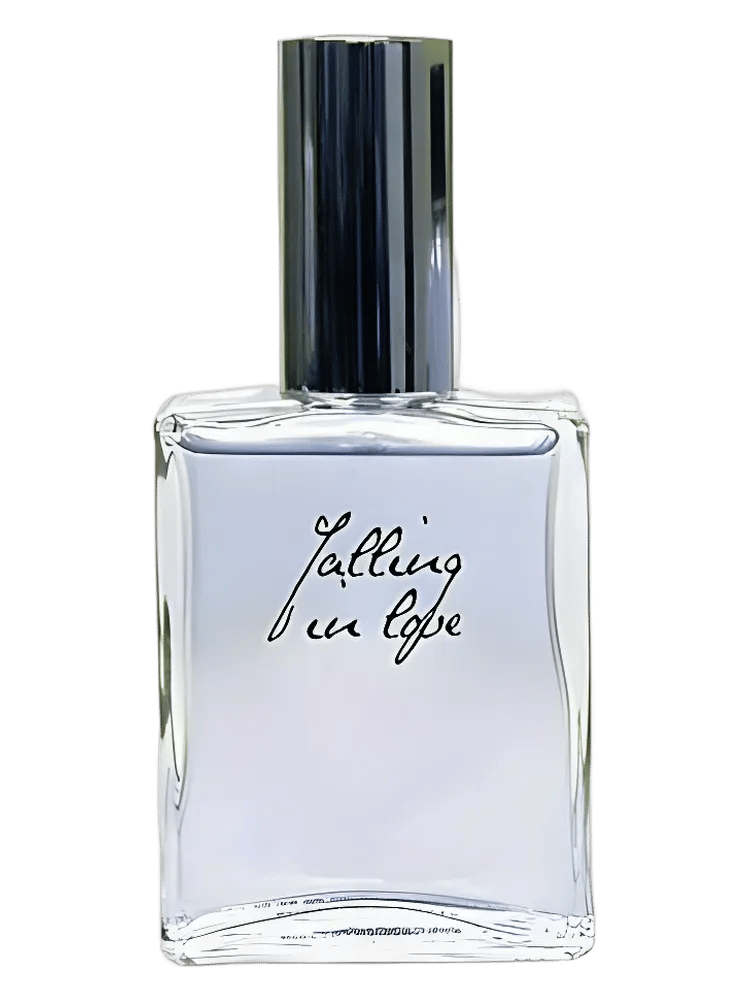
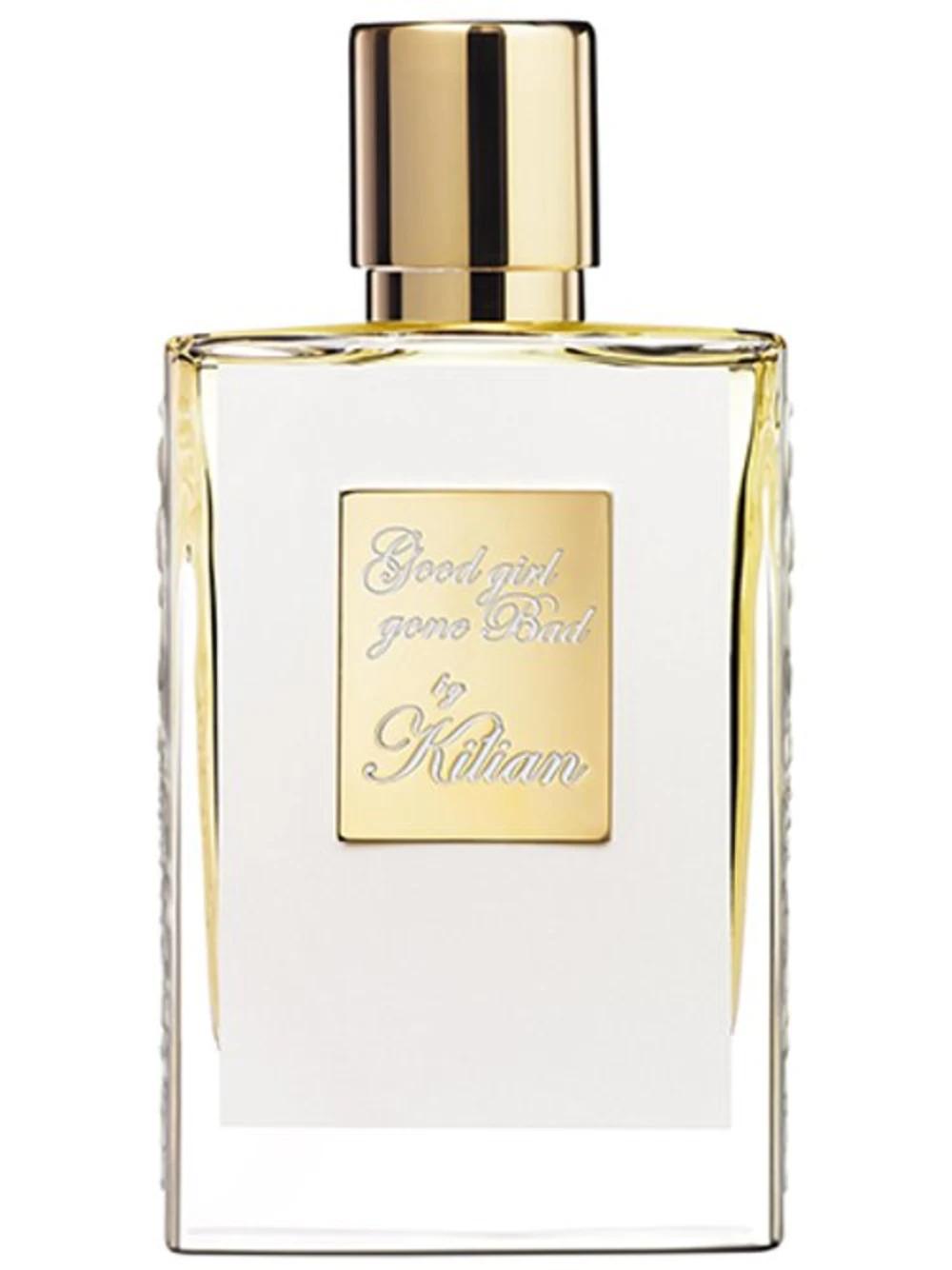
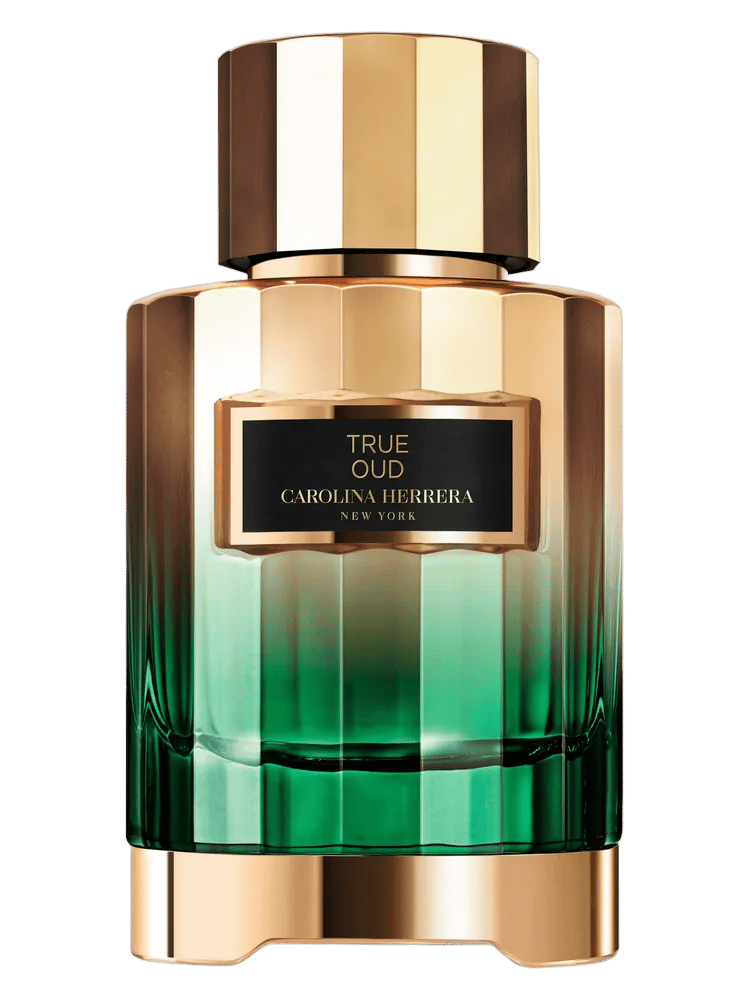
Popular fragrances featuring Osmanthus include Flowerbomb by Viktor & Rolf, Baptême Du Feu by Serge Lutens, Musc Ravageur by Frédéric Malle, Cuir Intense by Guerlain, ranked by community score on Noteboxd.
How many fragrances contain Osmanthus?+
Osmanthus is featured in 3,347 fragrances on Noteboxd.
Bold, sexy and provocative: the scent of osmanthus is deeply alluring, pairing particularly well with warm, sensual ambery notes of vanilla or sandalwood. It adds a distinct leathery facet to ambery accords without a heavy, animalic feeling. Its exotic, fruity accents of apricot blend beautifully in fresh, citrus tonics, where osmanthus plays an entirely different role: adding a sweeter, sparkling facet to vibrant accords.
Osmanthus is one of ten traditional Chinese flowers to have been cultivated for their fragrance for two thousand years. The osmanthus tree and its shower of fragrant flowers is mentioned in Chinese legends and poetry, while osmanthus blossoms are used to flavor green tea—giving it a taste that is similar to jasmine tea, yet lighter and more fruity. Some find that it has an apricot note. In the Yunnan province, a custom has persisted for more than twenty-three centuries of making a liqueur from osmanthus blossoms to celebrate autumn, which is served in a jade cup.
Blossoming in inflorescent clusters of gold and silver, the Chinese osmanthus flower thrives in the rich, mountainous soil surrounding the city if Guilin, as well as the subtropical regions of Chunking, Hsintu and Chengdu. The flower is celebrated for its beauty as well as its divine fragrance: blossoming in shades of silver (yingkwei) and gold (tchin- Kwei). However, the tchin- Kwei variety is particularly fragrant—igniting the interest of perfumers and fragrance connoisseurs alike. To collect the delicate blossoms, sheets are spread on the ground and the trees’ branches are shook to create a rainfall of osmanthus—a process that we imagine would be quite a delight for the eyes. Once collected, the scent is extracted using solvents.