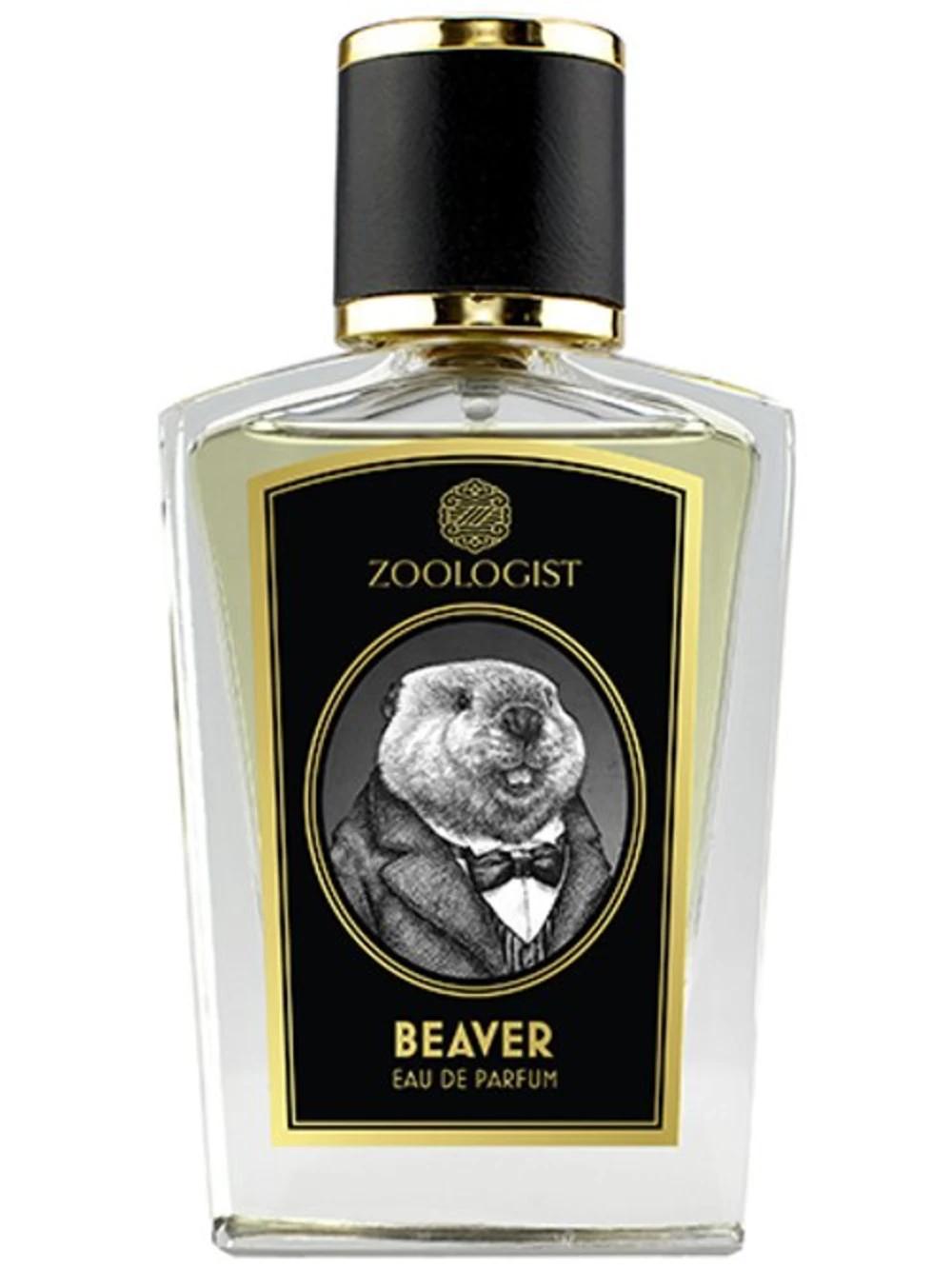
Castoreum is a natural raw material leather perfume note.
What does Castoreum smell like?+
Animal, pervasive, wet animal fur, leather, smoky, tar.
How is Castoreum obtained?+
Castoreum is obtained by solvent extraction or alcoholic tincture, using the glands.
Is Castoreum a top, heart, or base note?+
Castoreum is most often used as a base note. Across 764 fragrances on Noteboxd it is listed as a top note in 24, a heart note in 68, and a base note in 672.
What are the most popular fragrances with Castoreum?
+
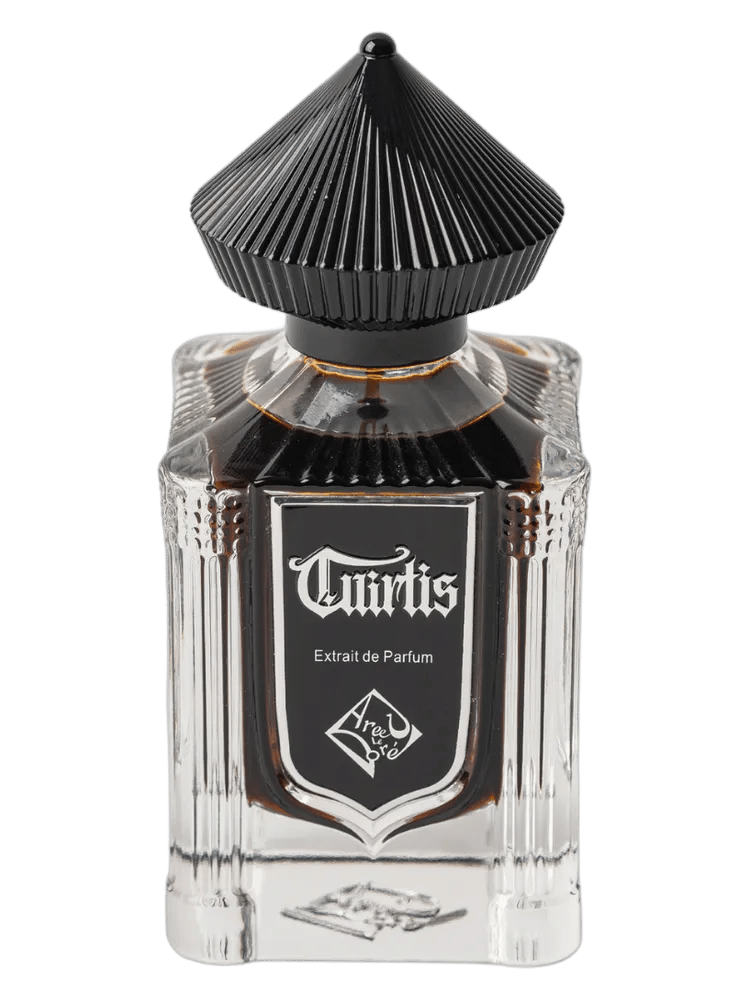
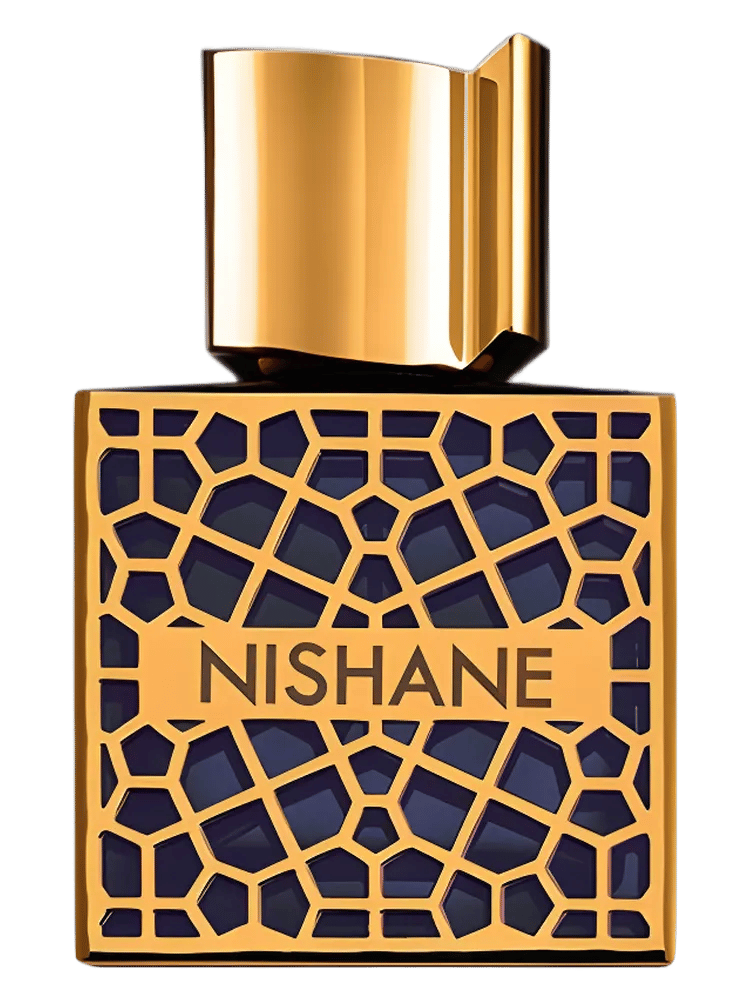
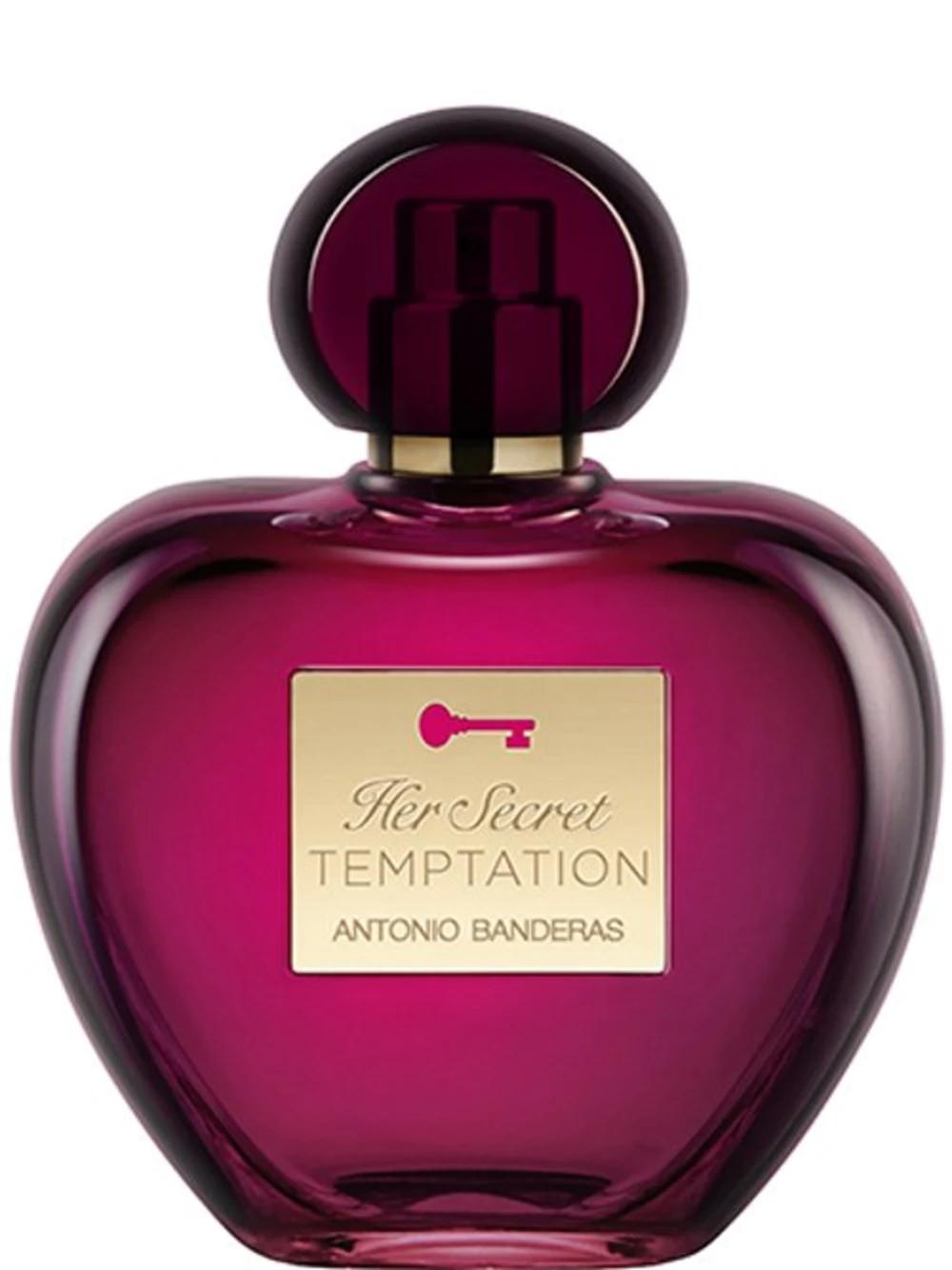
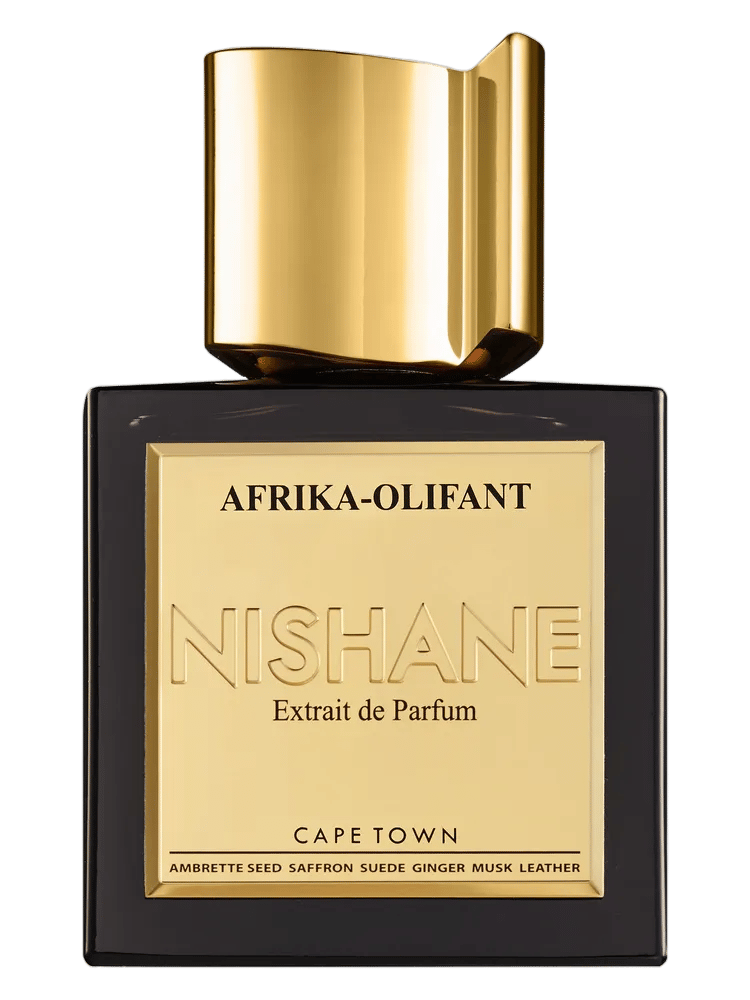
Popular fragrances featuring Castoreum include Victory by Boadicea The Victorious, Rose Oud by Korloff, Fall In Love Pink by Al Haramain, Youth Memory by Tfk, ranked by community score on Noteboxd.
How many fragrances contain Castoreum?+
Castoreum is featured in 1,244 fragrances on Noteboxd.
Pervasive, animal and intensely smoky, castoreum seduces with its divine fixative qualities—blending into prestige perfumes and enhancing chypre, ambery, leather, amber and woody notes. Its powerful, fixative qualities are revered for their resistance to evaporation: tying smooth, deep facets to fragrances with an unmatched longevity. Its leathery facets evokes deep, smoky nuances, with some subtle hints lending toward fruity notes of plum or dried fruits.
Typically replaced by synthetic compositions today, castoreum has historically been sourced from beavers across North America and Russia. The remarkable fixative is actually a secretion stored in the glands (or pouches) of both male and female beavers, and is situated between the hind legs. Beavers naturally produce the oily substance as a sort of waterproof coating that protects their fur while also allowing them to mark their territory. To extract the coveted substance, the pouch is processed with volatile solvents to obtain resinoids and absolutes.