Rosemary is a natural raw material aromatic fougere perfume note. It is sourced from Spain, France.
What does Rosemary smell like?+
Fresh, herbaceous, aromatic, camphoraceous, incense and woody.
How is Rosemary obtained?+
Rosemary is obtained by steam distillation, using the stems and flowers.
Is Rosemary a top, heart, or base note?+
Rosemary is most often used as a heart note. Across 2,618 fragrances on Noteboxd it is listed as a top note in 1,248, a heart note in 1,297, and a base note in 73.
What are the most popular fragrances with Rosemary?
+
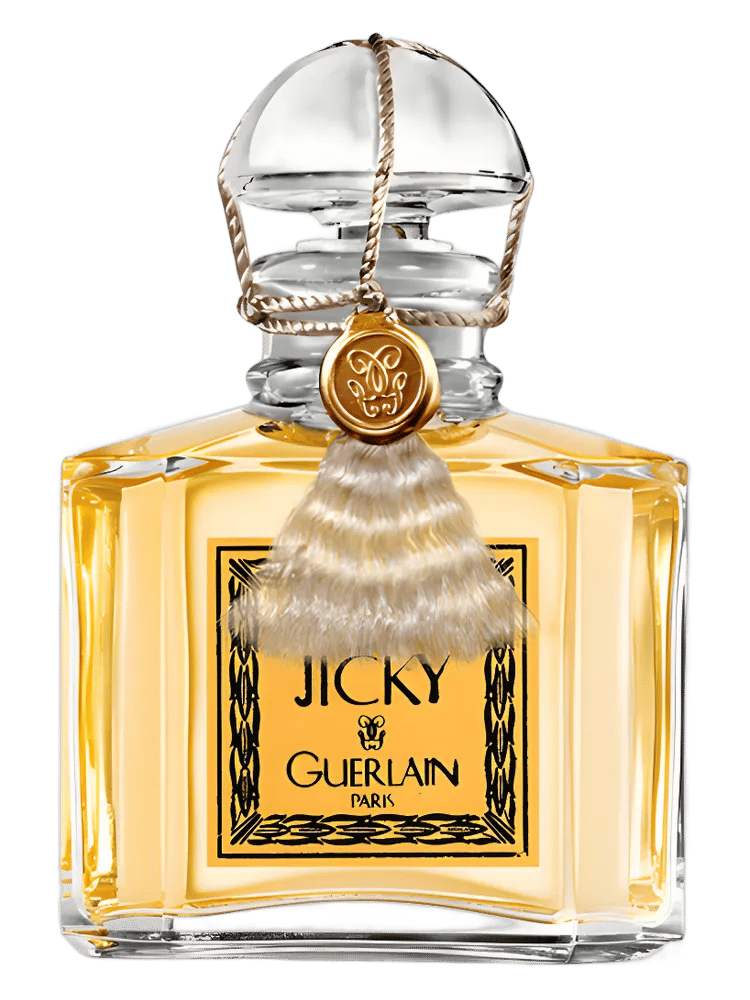
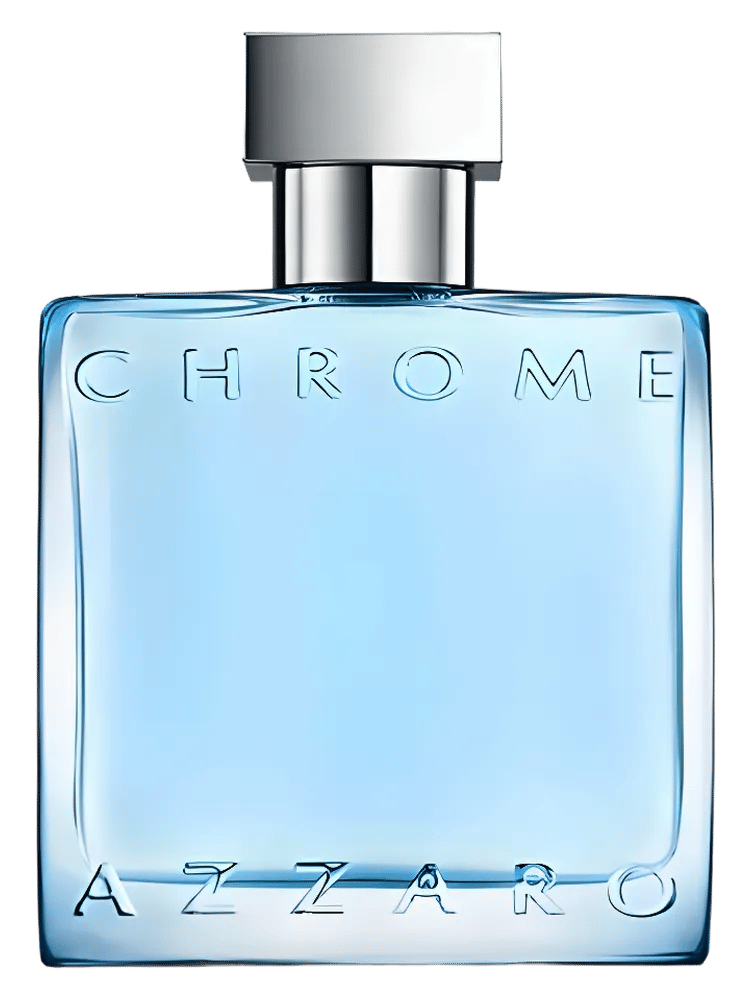
Popular fragrances featuring Rosemary include Fierce by Abercrombie & Fitch, Reflection Man by Amouage, Eau Sauvage Extrême by Dior, Granville by Dior, ranked by community score on Noteboxd.
How many fragrances contain Rosemary?+
Rosemary is featured in 3,895 fragrances on Noteboxd.
An aromatic and deeply camphorous note used in masculine scents, most notably in eaux de toilettes and toiletries. It’s herbaceous and fresh, with woody undertones that evoke the fresh scent of incense oil.
In the Middle Ages, rosemary was placed under pillows to keep evil spirits and rascally witches away. It was even thought to ward off the plague. Ancient Greeks doted on the herb for its fragrant qualities, but also believed that it could improve memory—resulting in students wearing rosemary garlands during lessons. Others linked rosemary to happy memories, fidelity and love, which has made it a popular wedding staple across Europe since Charlemagne. In perfumery, the first known alcohol-based perfume that utilized rosemary was l’Eau de la Reine de Hongrie—with its first known usage during the 17th century, but which may date back as far as the 14th century.
Rosemary bushes grow wild in the dry, rocky scrubland of the Mediterranean basin. For perfumery, the deeply aromatic plant is cultivated in the south of France, Tunisia and Morocco, as well as some parts of Spain. Its essence is obtained through steam distillation.