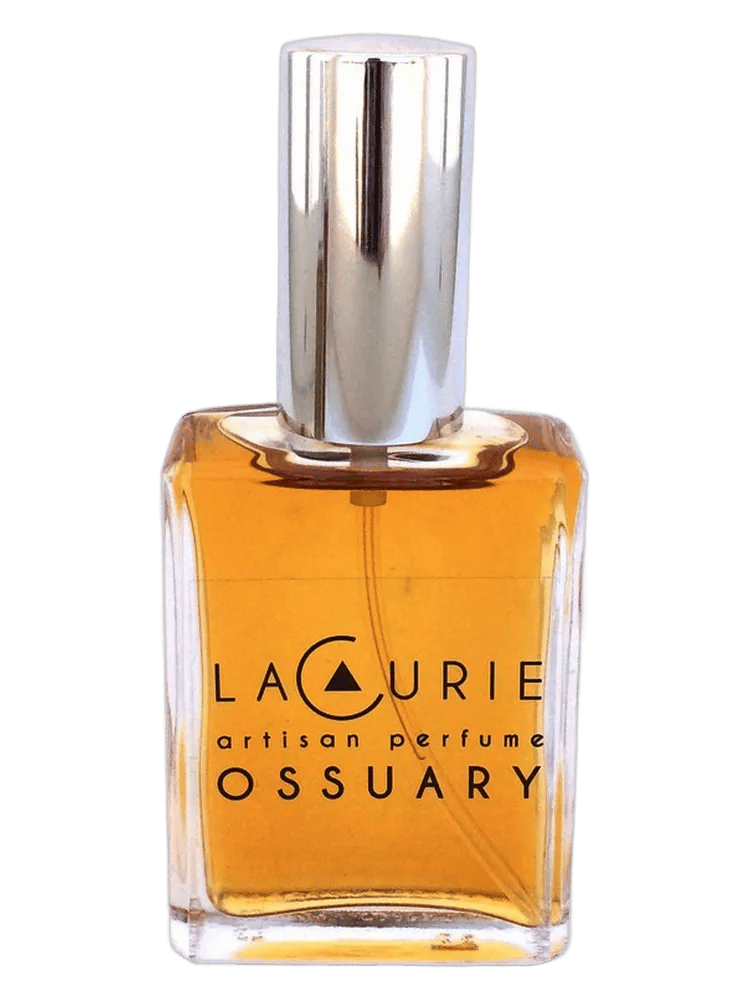
Palo Santo is obtained by steam distillation, using the wood shavings.
Is Palo Santo a top, heart, or base note?+
Palo Santo is most often used as a base note. Across 284 fragrances on Noteboxd it is listed as a top note in 27, a heart note in 88, and a base note in 169.
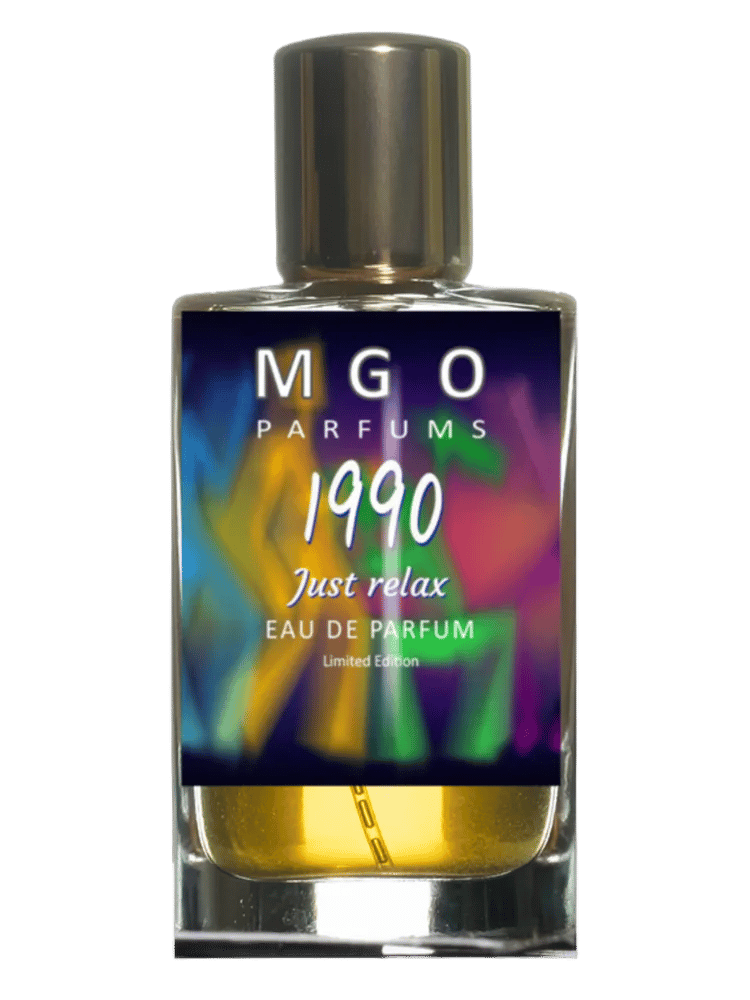
What are the most popular fragrances with Palo Santo?
+
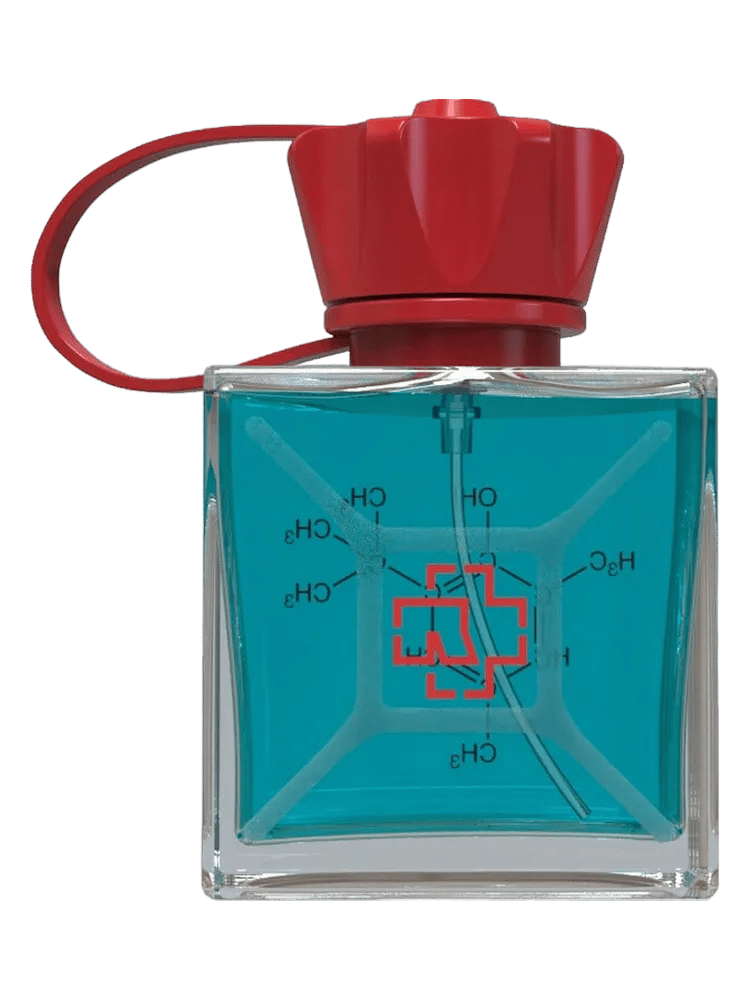
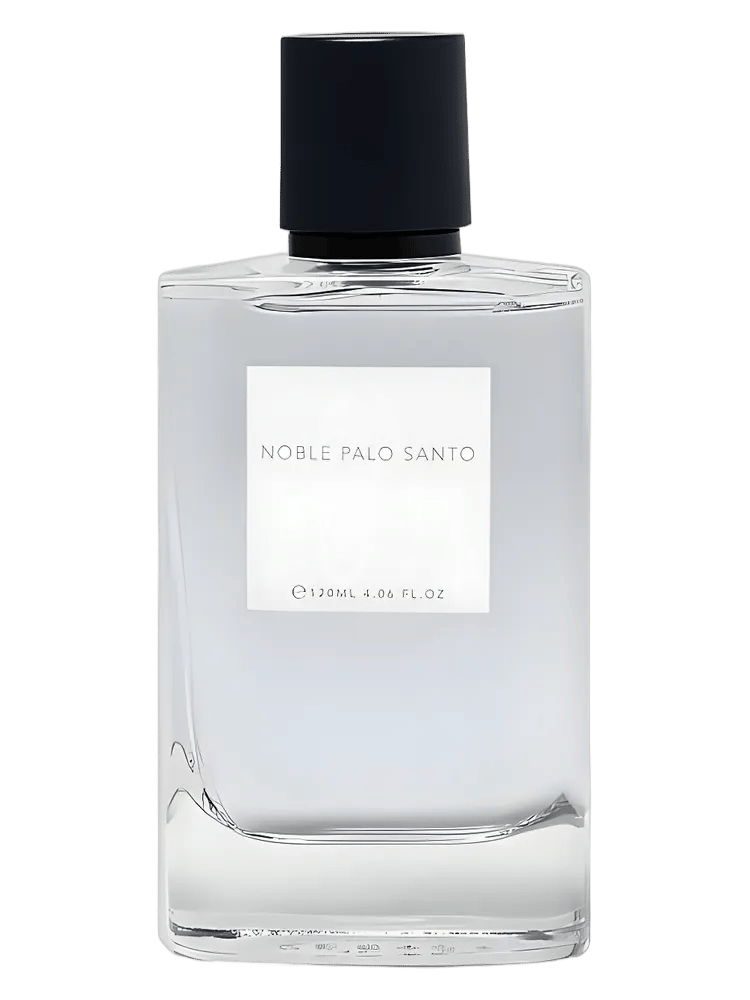
Popular fragrances featuring Palo Santo include Nebbia Densa by Filippo Sorcinelli, Vibrant Leather Boisé by Zara, Benzin by Rammstein, Noble Palo Santo by Zara, ranked by community score on Noteboxd.
How many fragrances contain Palo Santo?+
Palo Santo is featured in 470 fragrances on Noteboxd.
An excellent link between heart notes and base notes, the woody, balsamic facets of guaiac wood add depth with an air of smoky, leathery intrigue. Less dry than cedarwood and harder than sandalwood, guaiac wood is sweet and stable with rose-like facets.
Deep in the jungles of South America, guaiac wood has been cherished for centuries as a healing plant. Otherwise known as Palo Santo or Bulnesia sarmientoi, guaiac wood translates to “tree of life”—a name given to reflect the tree’s medicinal qualities.
Growing wild in Argentina and Paraguay, the guaiacum is a wild resinous tree native to South America. Its thick, smooth, grayish bark conceals the heavy wood beneath—so heavy, in fact, that it is used to make bowling balls. To extract the fragrant essence, a lengthy 24-hour steam distillation takes place, using wood shavings and sawdust from the tree’s trunk and branches. In its natural state, the essential oil is a whitish-yellow, semi-crystalized paste that has a woody scent with rose-like, smoky nuances.