FruityReproduction accord
Mirabelle (Plum)
Fruity, floral, velvety, liqueur, cooked fruit.
128Fragrances
About
History
Production
Top notes
57 fragrances


Frequently asked
What is Mirabelle (Plum)?+
Mirabelle (Plum) is a reproduction accord fruity perfume note.
What does Mirabelle (Plum) smell like?+
Fruity, floral, velvety, liqueur, cooked fruit.
Is Mirabelle (Plum) a top, heart, or base note?+
Mirabelle (Plum) is most often used as a top note. Across 84 fragrances on Noteboxd it is listed as a top note in 57, a heart note in 26, and a base note in 1.
What are the most popular fragrances with Mirabelle (Plum)?+
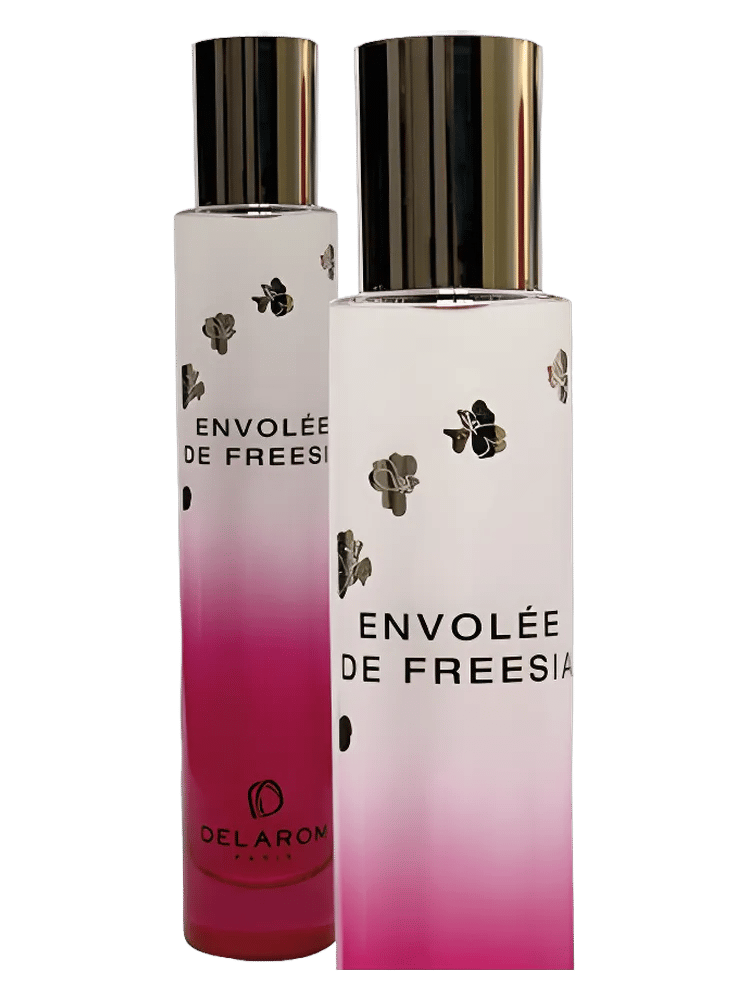
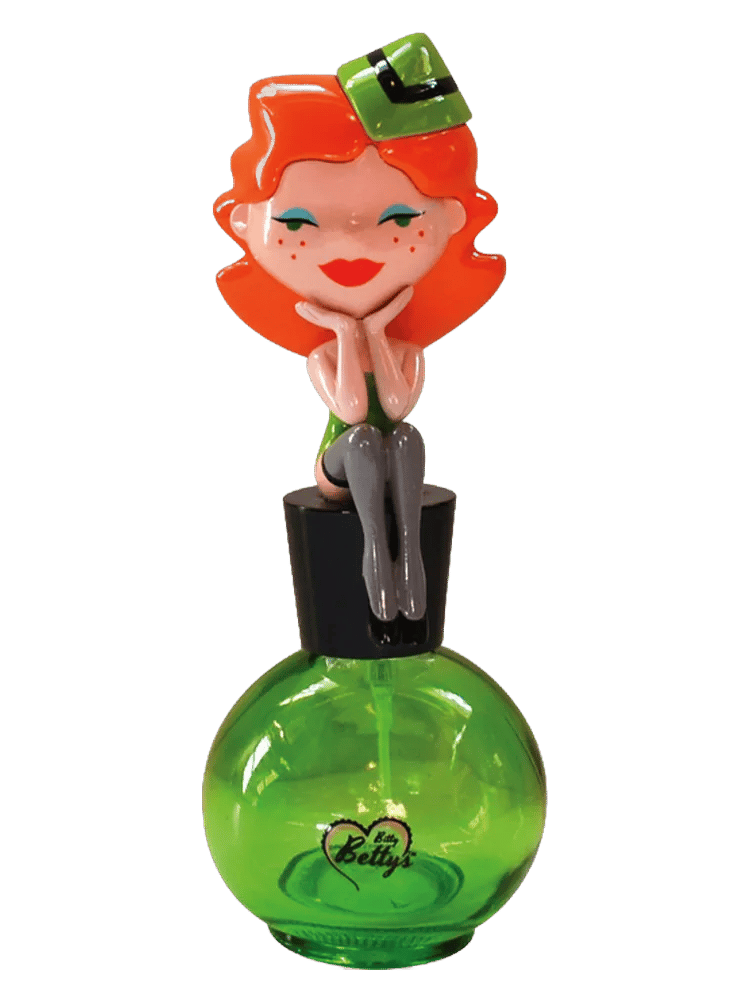
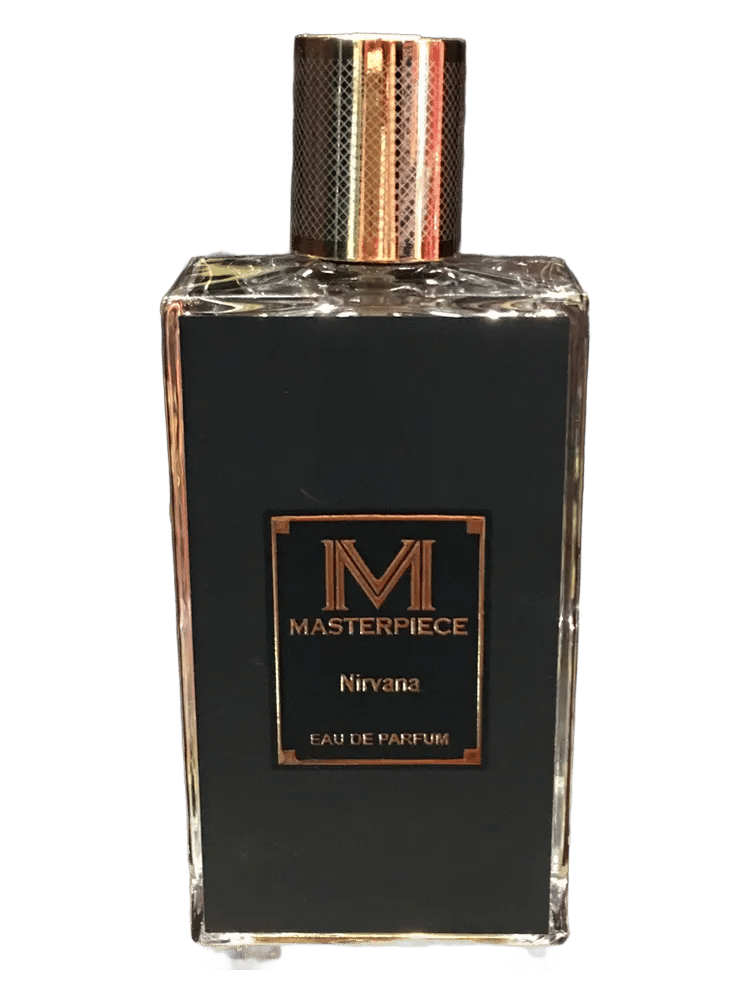
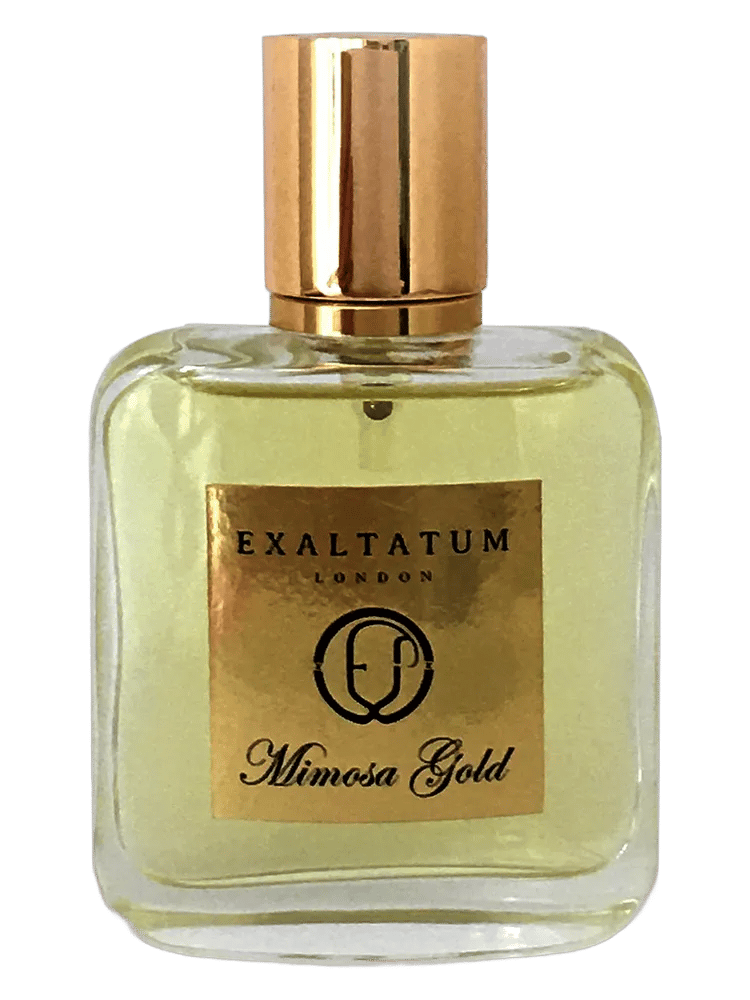
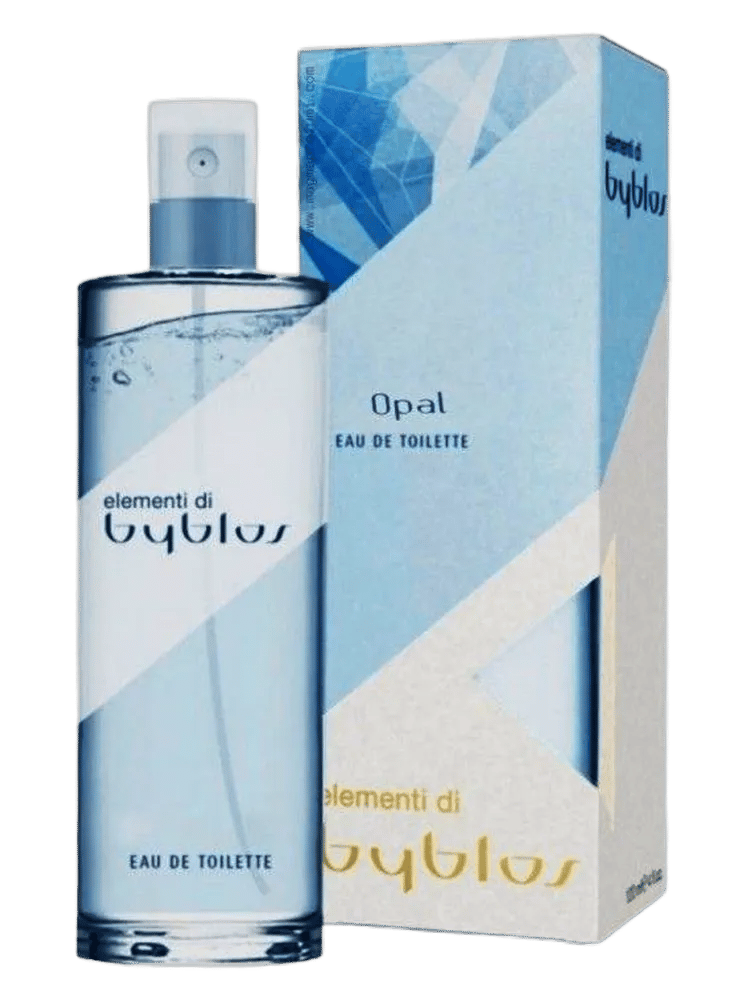
Popular fragrances featuring Mirabelle (Plum) include Belle Isabelle by Henry Jacques, Musc Et Fruits by Molinard, Eau Gourmande Marrons Glacés by Laura Mercier, Prima Rugiada by Profumi Del Forte, ranked by community score on Noteboxd.