Jasmine (Sambac) is a natural raw material floral perfume note. It is sourced from People's Republic of China, India.
What does Jasmine (Sambac) smell like?+
Floral, fruity, powerful, greener and less animalic than grandiflorum jasmine.
How is Jasmine (Sambac) obtained?+
Jasmine (Sambac) is obtained by solvent extraction, using the flowers.
Is Jasmine (Sambac) a top, heart, or base note?+
Jasmine (Sambac) is most often used as a heart note. Across 2,416 fragrances on Noteboxd it is listed as a top note in 186, a heart note in 2,195, and a base note in 35.
What are the most popular fragrances with Jasmine (Sambac)?+
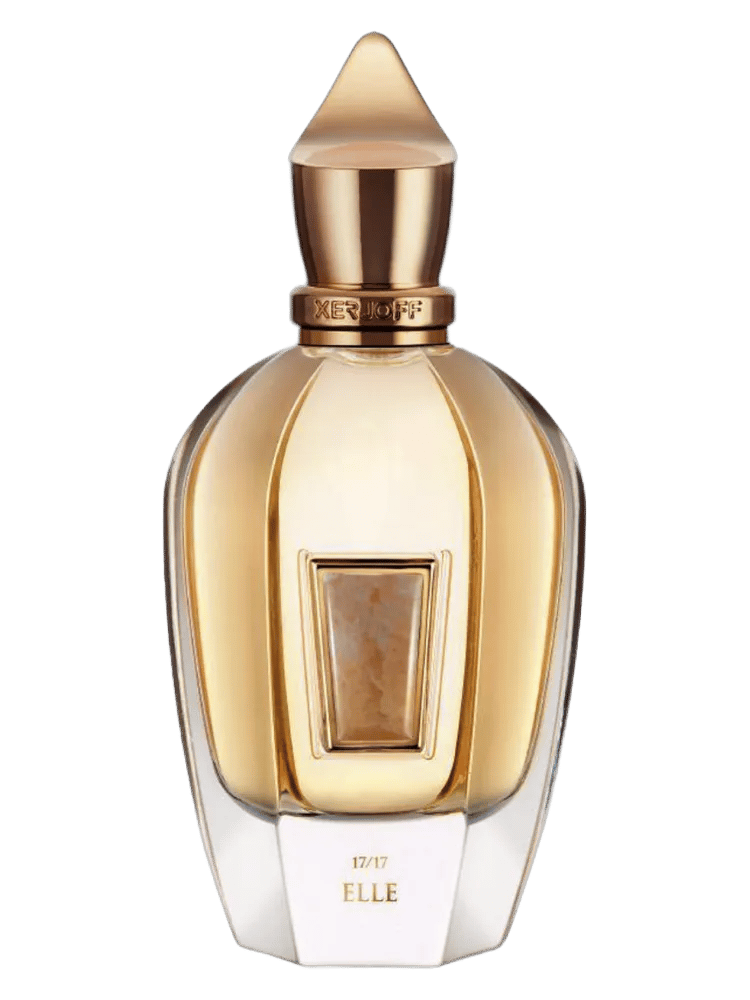
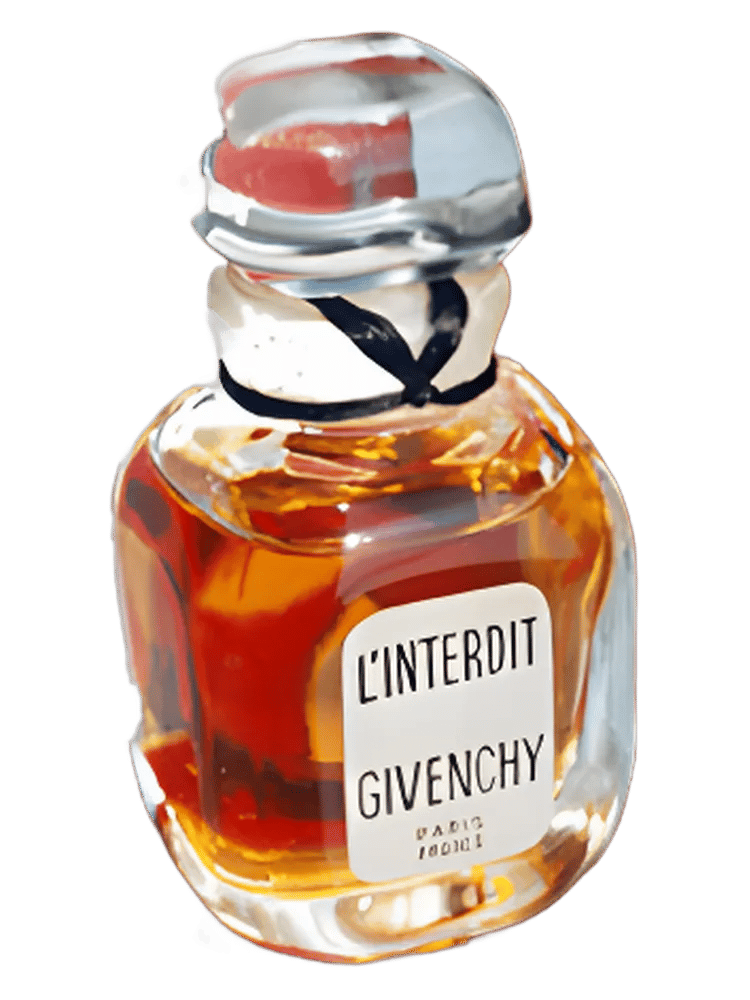
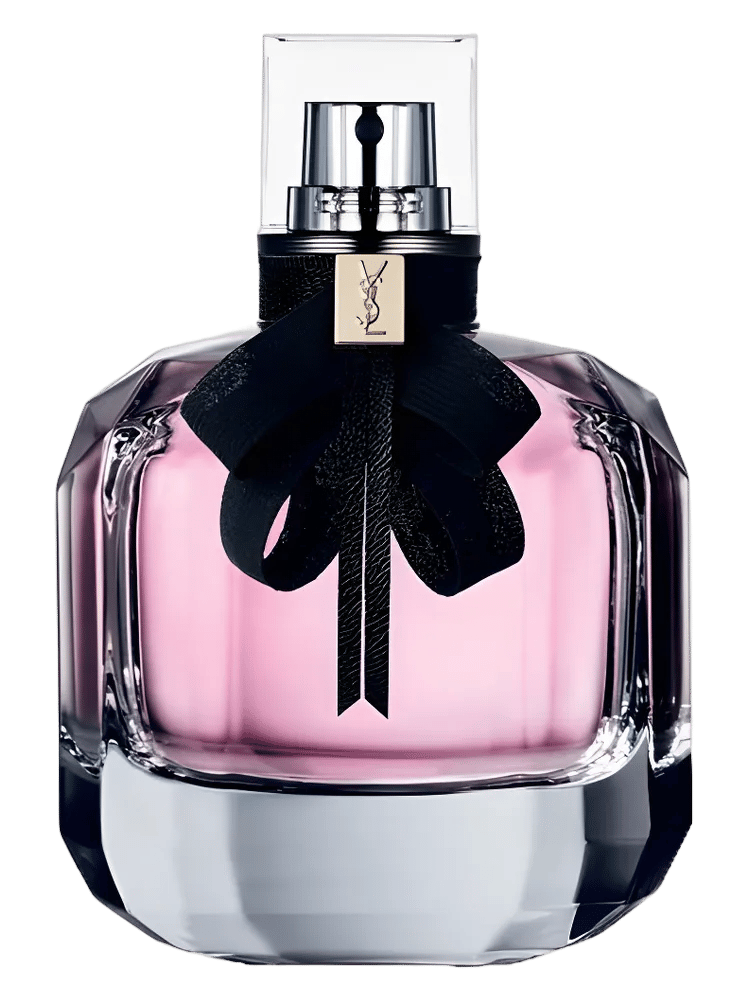
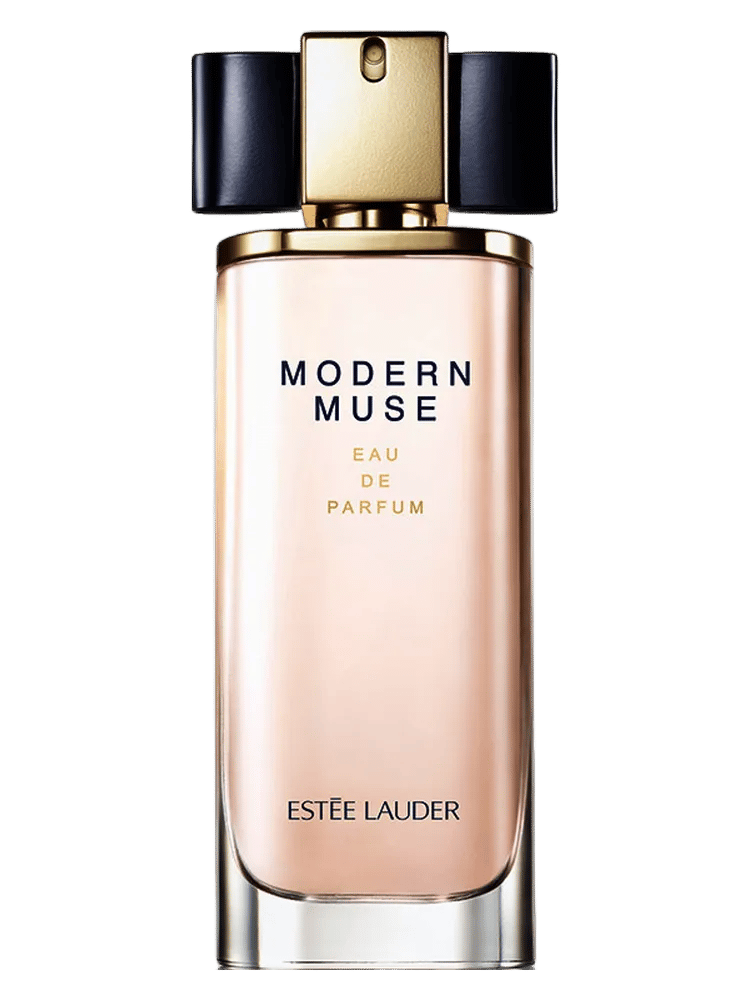
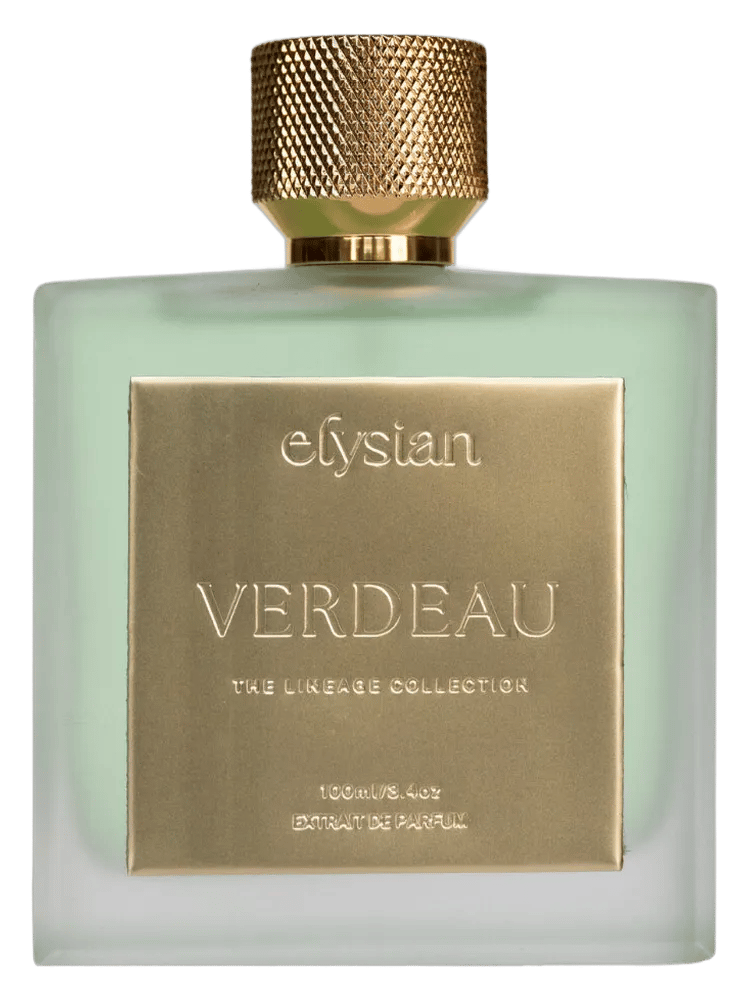
Popular fragrances featuring Jasmine (Sambac) include Matière Noire by Louis Vuitton, Flowerbomb by Viktor & Rolf, Wind Flowers by Creed, Elle by Xerjoff, ranked by community score on Noteboxd.
How many fragrances contain Jasmine (Sambac)?+
Jasmine (Sambac) is featured in 4,138 fragrances on Noteboxd.
Jasmine sambac blossoms in the heart of fragrances, delicately unravelling in floral shades of green. Orange blossom smooths the note with round, solar-like nuances while fruity facets add an intriguing sweetness. It's a powerful note that’s greener and less animalic than grandiflorum jasmine.
In a rather cynical ode to love, the word “jasmine” derives from the Arabic words “jas” (despair) and “min” (lie). Jasmine Sambac is native to southeastern Asia but predominately grown in India. But you may also find it growing in the Guangxi province of China, where the blossoms are popularly used to flavor tea. In India, Sambac Jasmine blossoms are weaved into necklaces and flower garlands—crafted as gifts for divinities and sold in temples. But beware: you must not breathe in its divine fragrance as you’d be stealing from the gods!
Of the more than 200 varieties of jasmine, only two lucky varieties are deemed worthy for perfumery: Jasmine Sambac and Jasmine Grandiflorum. Jasmine Sambac grows in the south of India between the months of March and September (with a peak from April till June). During the harvest season, women work from sunrise until sunset, working their way through the bushes to pick the little white buds before they open. Once picked, the flowers must be processed within 12 hours. Their coveted scent is captured with solvents—a concrete is obtained from which absolutes are obtained after washing with alcohol.