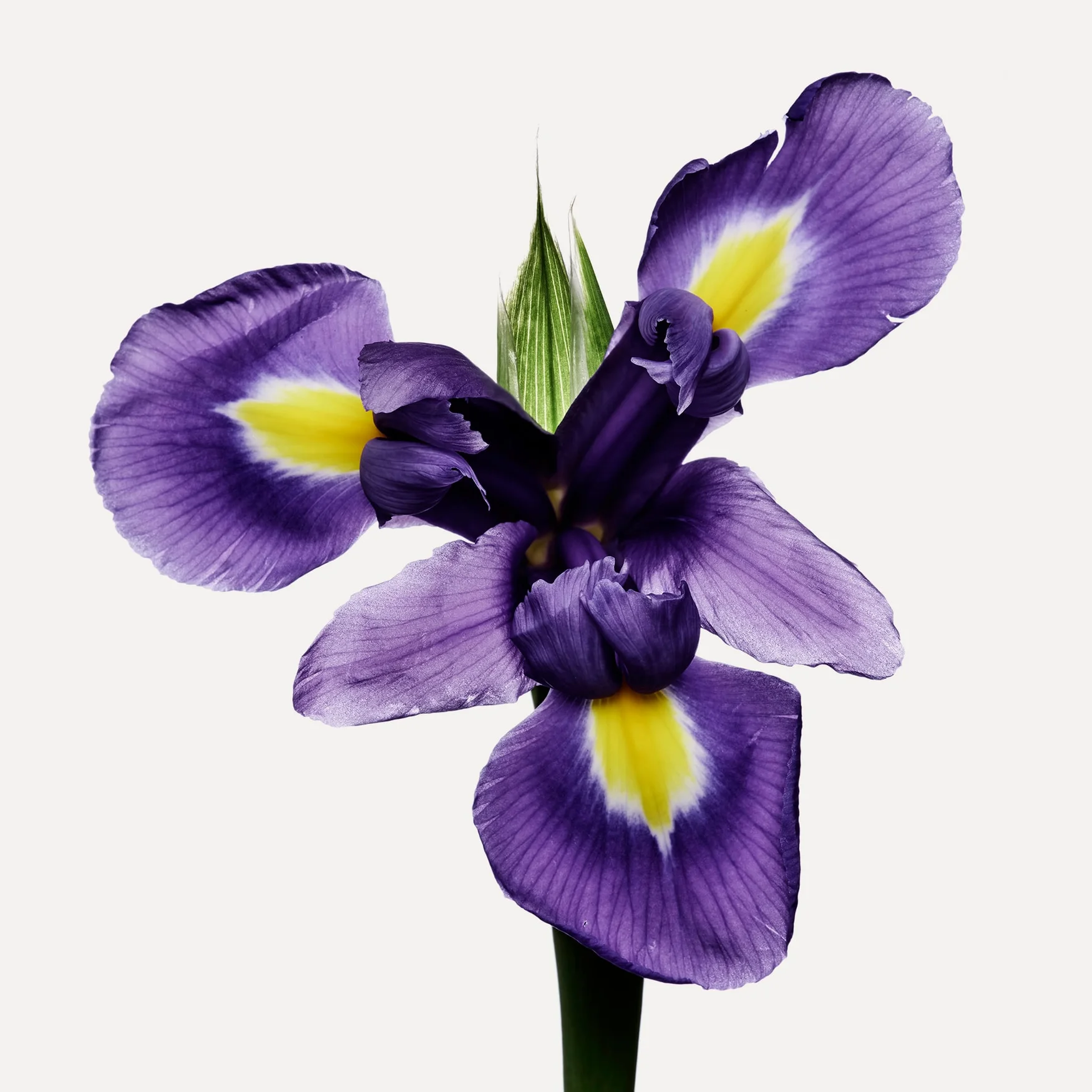
Iris (China) is a natural raw material floral perfume note.
What does Iris (China) smell like?+
Woody-green, powdery, soft, floral, refined, close to the scent of the violet, warm and persistent.
How is Iris (China) obtained?+
Iris (China) is obtained by steam distillation and solvent Extraction, using the rhizomes.
What are the most popular fragrances with Iris (China)?+
Popular fragrances featuring Iris (China) include Philtre Ceylan by Atelier Cologne, Irresistible Rose Velvet by Givenchy, Rain Cloud by Perfumer H, Musk by Perfumer H, ranked by community score on Noteboxd.
A place for your sense of scent.
Noteboxd is where fragrance obsessives keep track of what they own, rate what they try, and figure out what to wear next. Browse hundreds of thousands of perfumes by notes, accords, brand, perfumer, longevity, sillage, and community ratings. Every score comes from real people, not marketing budgets. Ratings feed a Bayesian-weighted community score, so a fragrance with 2,000 reviews earns its number and a new release gets a fair shot. Verified critics add professional reviews alongside the community. Build your collection, follow people whose taste you trust, and see what's actually trending. Log what you're wearing today.
How many fragrances contain Iris (China)?+
Iris (China) is featured in 4 fragrances on Noteboxd.
Best paired with violet or intoxicating mimosa, iris is a somewhat subtle, soft and sensual note. A high-brow note reserved for only the finest accords perfumery has to offer, iris is renowned for its steep price tag. In fact, iris could well be the priciest ingredient in a perfumer’s arsenal. And for good reason: its floral, powdery facets lend an unmatched elegance and air to fragrances.
The iris has a rich history throughout different cultures. In Greek mythology, Iris was the messenger to the Gods, most notably to Hera, Zeus' wife, who adored Iris for always bringing her good news. Iris took the form of a graceful young girl embellished with brightly colored wings displaying the colors of the rainbow. To mortals, she actually appeared in the form of a rainbow as she delivered them their divine messages. It is Iris' association with rainbows that earned them the poetic nickname Scarf of Iris. The iris flower itself played a role in Egyptian mythology as it was linked to the gods Osiris and Horus. There is even an iris engraved into the foreheads of the Egyptian sphinxes to represent Horus.
Though native to the Far East, iris is predominately grown in Italy and Morocco today. Absolute iris comes from a volatile solvent extraction of crushed roots. This process starts after three years of growth, when the roots are peeled, washed and dried in the sun or an oven at a moderate temperature, while the rhizomes are processed all year, dried in an oven at 40-degrees for two years. They take on a violet scent thanks to ketones called irones. In the next step, they are crushed and steam-distilled to create iris butter, sometimes also referred to as concrete. With such a lengthy, complicated extraction process and low-yield, the high prices are understandable, with the Iris Padilla variety fetching more than 100,000 euros-per-kilogram! The yield of crushed rhizomes accounts for 0.2-0.4%. Absolute is created when the fatty acids are eliminated through the purification process.