Benzoin is a natural raw material ambery (oriental) perfume note. It is sourced from People's Republic of China, Lao People's Democratic Republic, Malaysia, Vietnam.
What does Benzoin smell like?+
Balsamic, woody, vanilla-scented, soft, resinous, powdery, milky and spicy.
How is Benzoin obtained?+
Benzoin is obtained by solvent extraction, using the gum-resin excreted by the tree.
Is Benzoin a top, heart, or base note?+
Benzoin is most often used as a base note. Across 5,757 fragrances on Noteboxd it is listed as a top note in 75, a heart note in 678, and a base note in 5,004.
What are the most popular fragrances with Benzoin?+
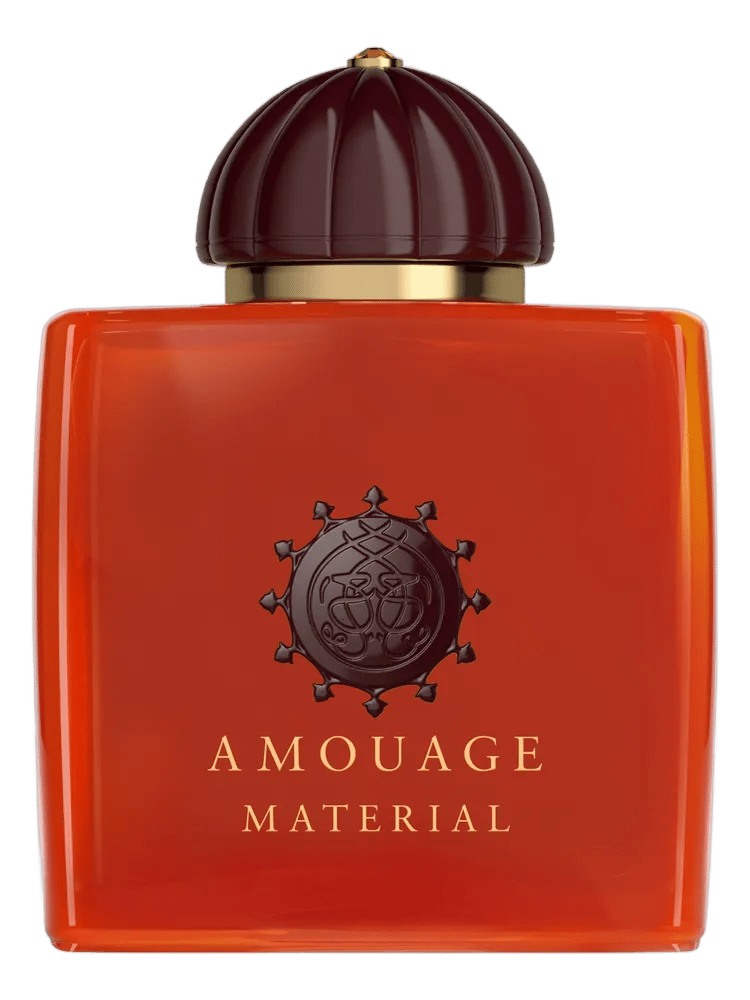
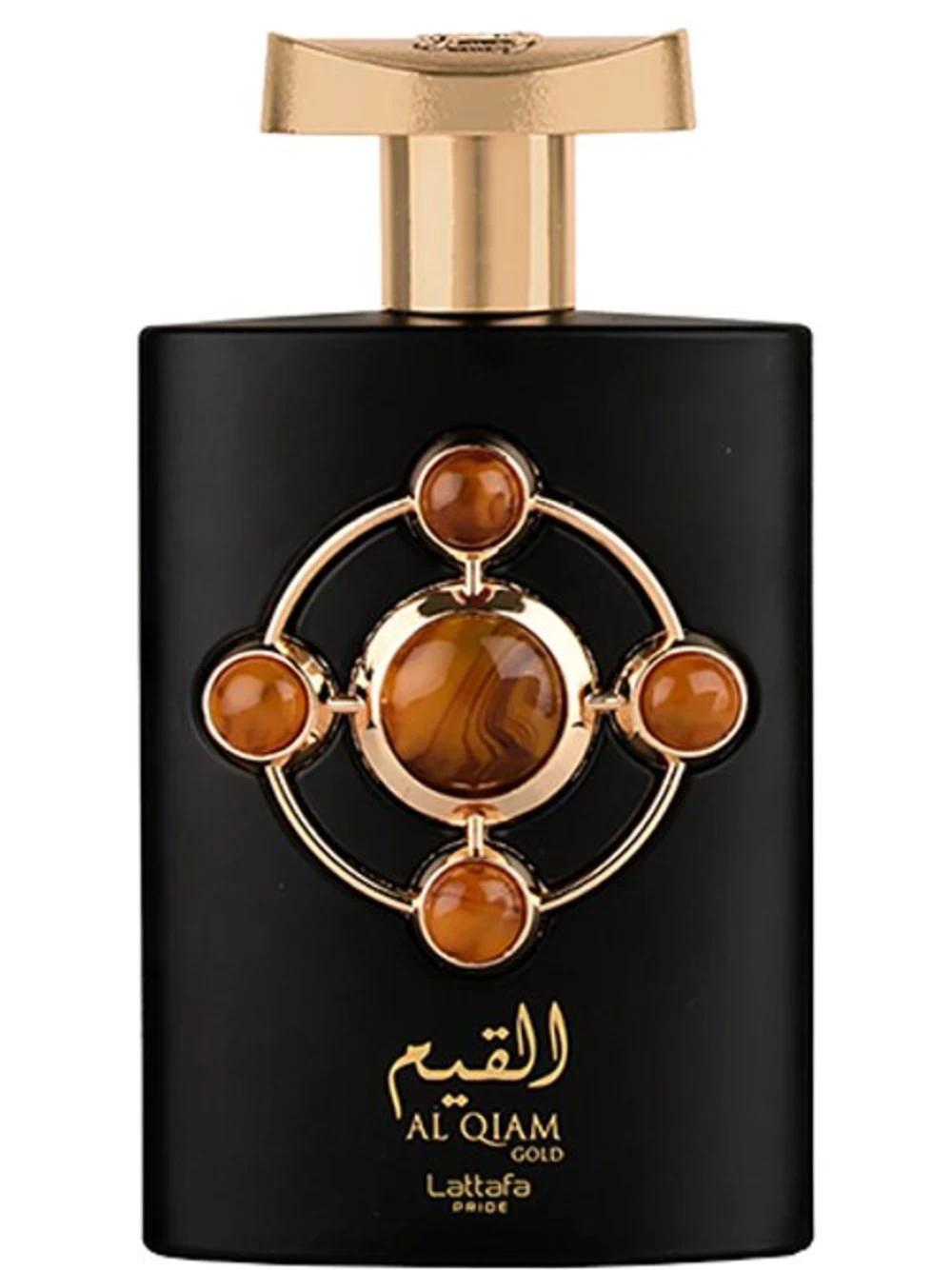
Popular fragrances featuring Benzoin include Nº 8 Atardecer Magnético by Victorio & Lucchino, Oud Cambodi by Al Haramain, Imperial Emerald by The Merchant Of Venice, Herstory by Avon, ranked by community score on Noteboxd.
How many fragrances contain Benzoin?+
Benzoin is featured in 8,372 fragrances on Noteboxd.
Benzoin offers distinctly rich scents of woody, sweet vanilla. Its layered composition unfolds in warm, honeyed facets not dissimilar to caramel, almond or freshly roasted coffee. Subtle floral notes awaken slight nuances of carnations in soft, wispy or even powdery tones. Benzoin is renowned for its qualities as a perfume fixative, providing a fullness and warmth to compositions with its round, buttery-smooth tones. Benzoin can most commonly be found in ambery or gourmand accords.
Alongside its decadently warm aroma, the qualities of benzoin have been celebrated throughout the centuries for their therapeutic healing abilities: balsamic resin has the unique ability to act as a styptic, slowing the bleeding of small wounds, among other useful medicinal purposes. Throughout the Middle Ages, benzoin would be added to an intricate collection of other scented delights and carried in the pomanders of society’s privileged.
Benzoin is acquired through a process of tree “tapping”, whereby the bark is deliberately damaged in order to extract the balsamic resin from trees of the genus Styrax. First, a harvester must bravely climb to the top of the tree and cut the bark several times on his descent to the ground. Once cut, the tree will “cry” precious tears of semi-liquid resin. A curated waiting process of six months ensures that the benzoin hardens. After careful cleaning by hand, the resin “tears” are cleaned and sorted before being extracted with volatile solvents.