Jest vs Pour Homme

Jest
Andrea Maack
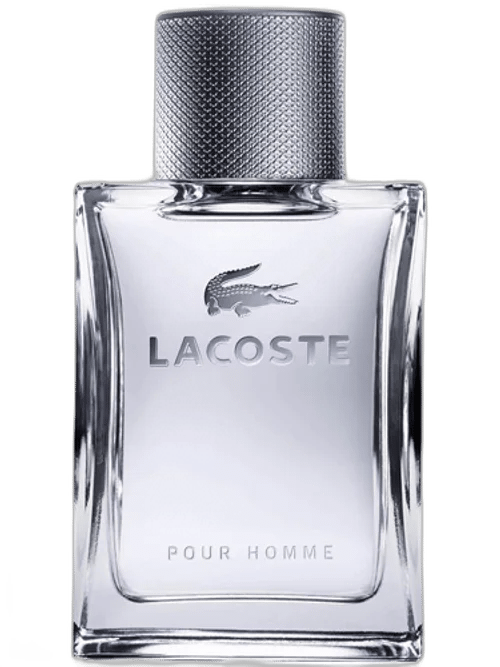
Pour Homme
Lacoste
Scores
Jest
Community —Critic —
Pour Homme
Community —Critic —
In common
Where they differ
Only in Jest
AccordsAmbery (Oriental)FruityGourmandSweetPowdery
The verdictAI
Shared character
Both Jest and Pour Homme belong to the Ambery (Oriental) fragrance family and share a common olfactory profile consisting of vanilla, musk, cardamom, plum, rum, and apple.
How they differ
Jest features unique notes of heliotrope, chocolate, and ambroxan, resulting in gourmand, powdery, sweet, and warm spicy accords. In contrast, Pour Homme contains a diverse array of notes including bergamot, grapefruit, lavender, geranium, pink pepper, cinnamon, juniper berries, quince, incense, cedarwood, sandalwood, labdanum, and oud.
Who each suits
Jest is suited for those who prefer gourmand, powdery, and chocolate-inflected scents with a warm, musky profile. Pour Homme is suited for those who prefer a complex composition involving woody, spicy, citrus, and resinous elements.