Patchouli vs Oud El Emarat
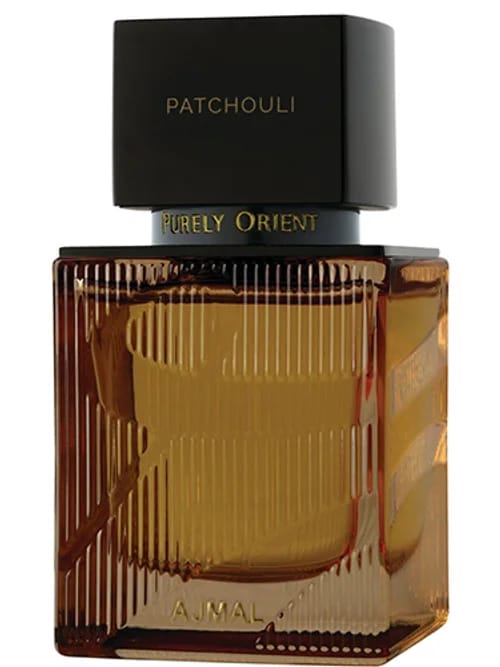
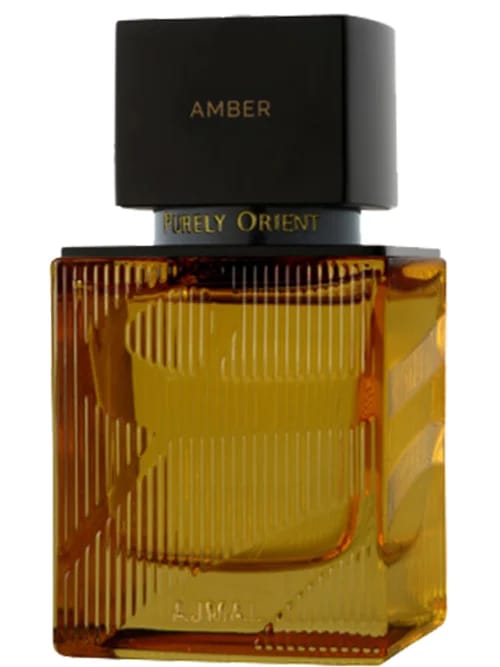
Patchouli
Ajmal
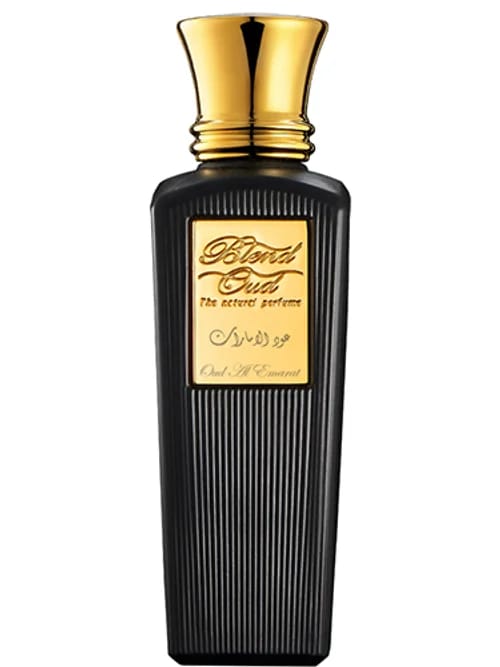
Oud El Emarat
Blend Oud
Scores
Patchouli
Community —Critic —
Oud El Emarat
Community —Critic —
In common
Where they differ
The verdictAI
Shared character
Both fragrances belong to the woody family and share a core set of notes—sandalwood, vanilla, vetiver, cardamom, tonka bean, oud/agarwood and palisander rosewood—producing a fundamentally woody character.
How they differ
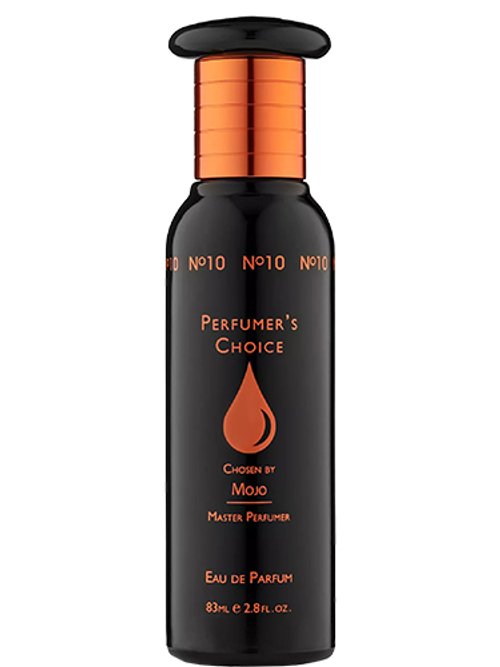
Patchouli leans toward a greener‑herbal profile with rose, bergamot, cedarwood, musk, nutmeg and basil framing its signature patchouli heart. Oud El Emarat, while sharing the woody backbone of sandalwood, vanilla, vetiver, cardamom, tonka bean, oud/agarwood and palisander rosewood, adds a spicy‑amber side‑note of pepper and a distinct ambery (oriental) accord. In short, Patchouli is anchored by fresh‑floral‑herbal elements; Oud El Emarat is anchored by warm‑spicy‑amber nuances.
Who each suits
Patchouli is likely to appeal to wearers who enjoy aromatic‑herbal, green‑floral and earthy scents, especially those who favor classic patchouli, rose and citrus touches. Oud El Emarat suits individuals who prefer richer, warm‑spicy and oriental‑amber woods, with an emphasis on pepper‑spiced depth alongside the oud‑driven woody base.